
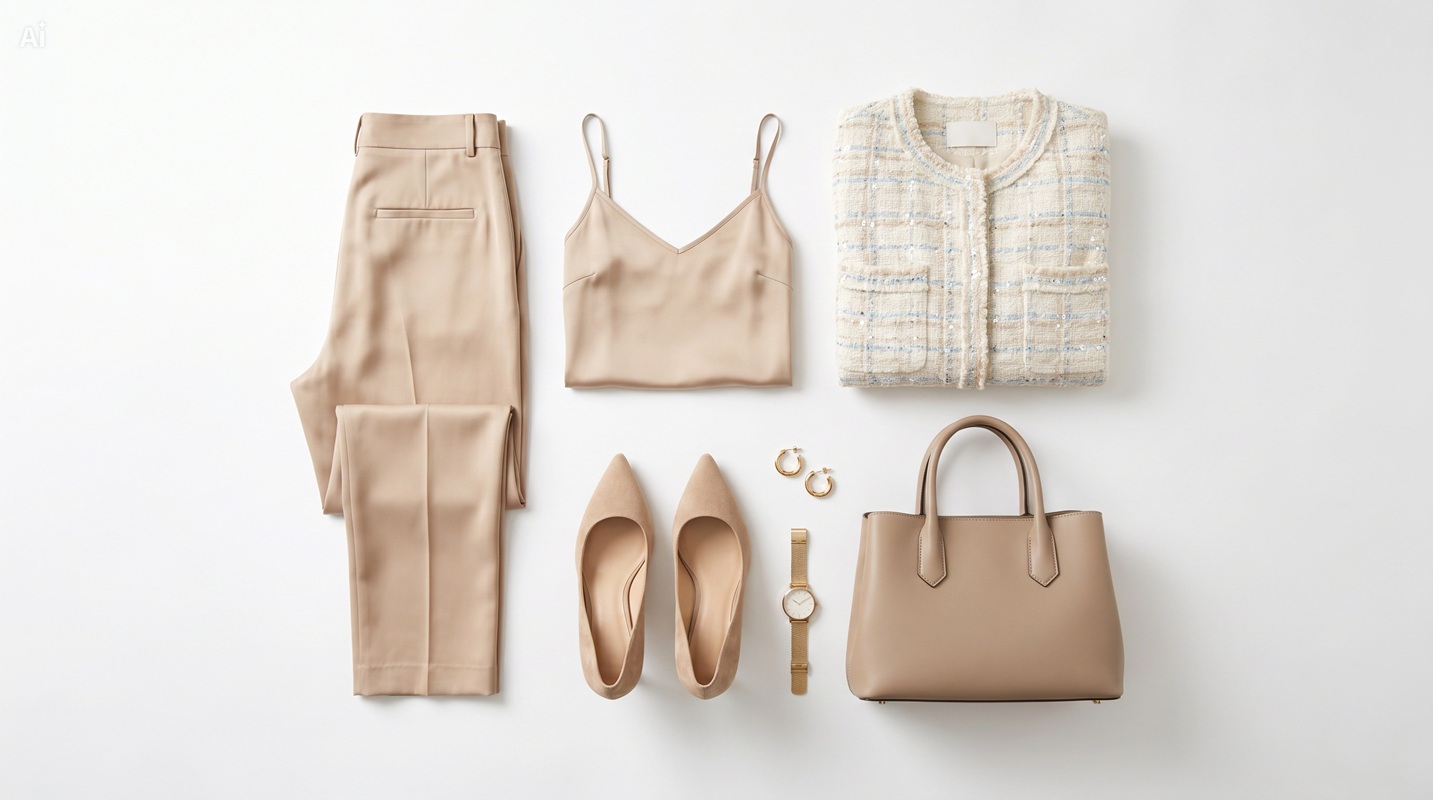
Stop Dressing for Your Old Self
If your wardrobe no longer feels right, it may be because you are still dressing for your old self instead of who you are now.
Many women struggle with personal style because their wardrobe reflects a past identity, outdated routines, or old versions of themselves. As your life changes, your wardrobe and style need to evolve too.
You may feel like,
- nothing suits you anymore
- your wardrobe feels disconnected
- you have clothes, but nothing feels right
- or your personal style no longer reflects who you are
This is more common than people realise.
Your wardrobe is not random.
It is a timeline.
Every piece reflects:
- who you were
- who you thought you should be
- or who you were trying to become
But eventually, those versions stop matching your current life.
And that is when your wardrobe starts feeling wrong.
Why Your Clothes No Longer Feel Right
Many wardrobes are not built intentionally.
They are built gradually through,
- different careers
- changing lifestyles
- shifting priorities
- past relationships
- old routines
- different versions of confidence
Over time, your wardrobe becomes a collection of identities that no longer match your everyday life. So, when you stand in front of your wardrobe thinking, “Nothing feels like me anymore,” you are probably right.
This is not just a fashion problem.
It is a self-image and identity problem.
The Emotional Attachment to Clothes No One Talks About
One of the biggest reasons people struggle to let go of clothes is emotional attachment.
You are not always holding onto pieces because you love them. You are holding onto what they represent.
Things like,
- “I used to wear this when I felt confident.”
- “This version of me was more successful.”
- “I spent too much money on this.”
- “Maybe I’ll need this again.”
- “I should still be this person.”
Clothes carry emotional weight. They hold,
- memories
- pressure
- expectations
- guilt
- old identities
That is why wardrobe decluttering feels difficult for so many people.
You are not just removing clothes.
You are confronting change.
Identity Drift: When Your Life Evolves but Your Wardrobe Doesn’t
Sometimes your style feels wrong because your life has evolved faster than your wardrobe has.
You may have,
- changed careers
- become more confident
- simplified your lifestyle
- entered a new season of life
- outgrown old environments
- shifted priorities completely
But your wardrobe is still supporting a past version of you.
That disconnect creates what many women experience as,
- wardrobe confusion
- overbuying
- outfit frustration
- lack of personal style clarity
The issue is not that you “need more clothes.”
The issue is that your wardrobe no longer reflects your identity.
The In-Between Phase Most Women Get Stuck In
This is the stage nobody explains.
You are no longer who you used to be, but you are not fully clear on who you are becoming either.
So,
- your old clothes feel wrong
- your style feels uncertain
- shopping becomes random
- and nothing feels cohesive
This is where many people panic. They either,
- keep dressing from the past
- or start impulse buying in the hope that something fixes the feeling
Neither works.
Because personal style cannot become clear until your identity becomes clear.
5 Signs Your Wardrobe No Longer Reflects You
1. You Keep Saying “I Have Nothing to Wear”
Even though your wardrobe is full.
2. You Buy Clothes but Rarely Wear Them
Because they fit a fantasy version of your life, not your real one.
3. Your Wardrobe Feels Disconnected
Nothing works together. Outfits feel forced instead of natural.
4. You Keep Holding Onto “Maybe” Pieces
Not because they suit you now, but because they represent your past.
5. Your Style Feels Confusing
Because you are dressing from multiple identities instead of one clear direction.
How to Let Go of Clothes Without Regret
Many people approach wardrobe decluttering the wrong way. They focus only on the clothes.
But the real work is identity.
1. Ask What the Item Represents
Instead of: “Do I wear this?”
Ask: “Who was I when I wore this?”
That question changes everything.
It helps you separate your identity from the item itself.
2. Stop Keeping Clothes Out of Guilt
You do not owe your wardrobe anything.
Not,
- the money you spent
- the old version of yourself
- or the expectations attached to it
Keeping clothes out of guilt does not make them useful. It keeps you emotionally stuck.
3. Build a Wardrobe Around Your Actual Life
One of the biggest mistakes in personal style is dressing for fantasy instead of reality. Your wardrobe should support,
- your current lifestyle
- your current priorities
- your current identity
Not who you used to be.
What Happens When You Stop Dressing for Your Old Self
Everything becomes simpler. You,
- stop forcing outfits
- stop second-guessing yourself
- stop overbuying
- stop chasing trends that do not suit you
Your wardrobe starts feeling cohesive again, because it finally reflects who you are now.
That is what true personal style is.
Not trends.
Not aesthetics.
Not perfection.
Alignment.
Style Starts With Self-Image
Style is not just about clothes. It is about self-image.
The way you dress communicates,
- how you see yourself
- how you value yourself
- and whether your outward image reflects your inner identity
Until those things align, your wardrobe will continue to feel disconnected. But when they do align, style becomes clearer, easier, and far more intentional.
If your wardrobe feels wrong, look deeper. The issue may not be what you are wearing.
It may be what you are holding onto.
You cannot create a wardrobe for your future while dressing from your past identity.
At some point, you have to decide, “Who am I now?” And once you answer that honestly, everything changes.
If you are ready to stop guessing and start building a wardrobe that reflects who you are today, explore The Self Image Wardrobe and discover how intentional style begins with clarity, not more clothes.
When you stop dressing for your old self, your wardrobe becomes clearer, more intentional, and far more reflective of who you are today.
Clarity precedes success