
How to Build a Wardrobe That Works: A Step-by-Step Guide
Building a wardrobe that works isn’t about owning more clothes.
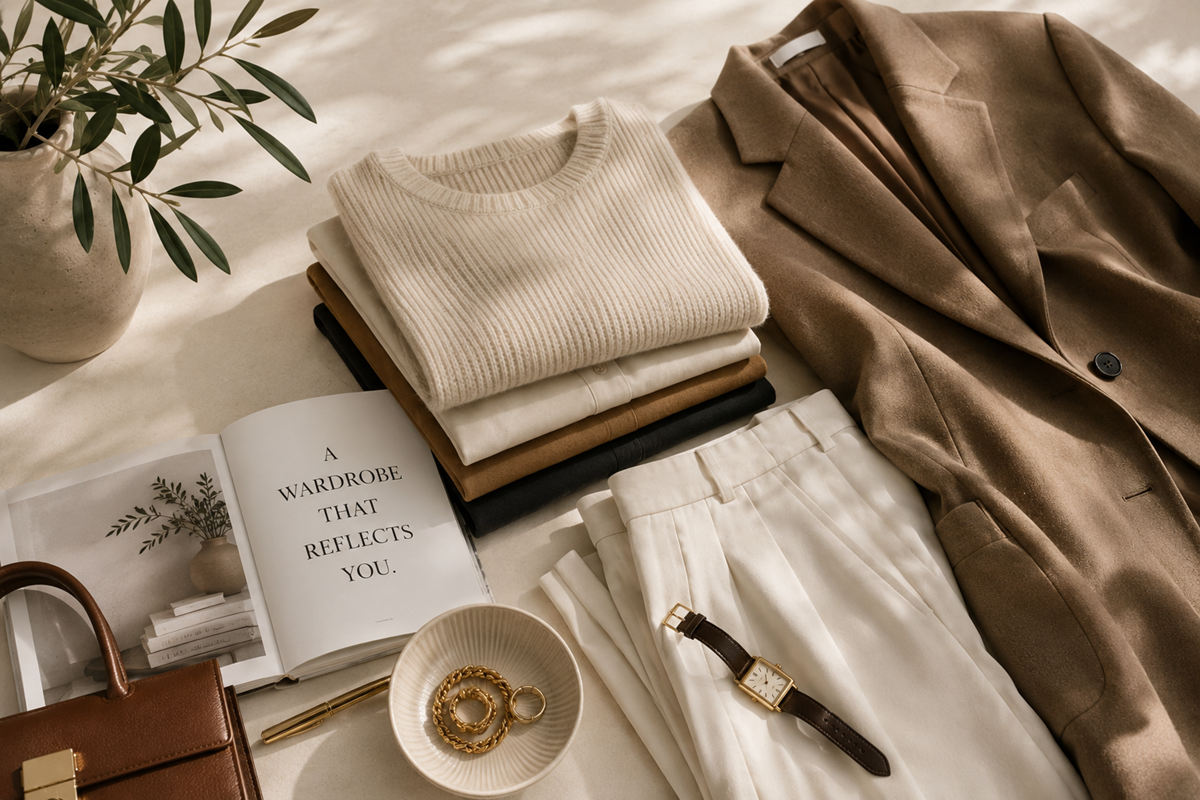
It’s about creating a functional wardrobe that reflects your lifestyle, supports your personal style, and makes getting dressed easier every day. If your wardrobe feels overwhelming, inconsistent, or frustrating, it’s usually because it was never built with a system.
Many people,
- buy randomly
- keep emotionally
- wear reactively…
…and then wonder why nothing works together.
We can fix that, but not with more clothes. With structure.
Step 1: Audit What You Wear (Not What You Think You Wear)
This is where you stop lying to yourself.
Your wardrobe is full of intentions, but your life is built on reality.
So, ignore,
- what you wish you wore
- what you used to wear
- what you spent money on
Focus on one thing. What do you actually reach for?
Look at the last 2–3 weeks and identify,
- your most worn pieces
- your default outfits
- your “easy” combinations
This is your real style, not your aspirational one.
Step 2: Identify Your Core Style Formula
Every functional wardrobe has a pattern.
If yours doesn’t, that’s a problem, and it’s your job is to find it.
Look for Consistency in
Silhouettes
- fitted vs relaxed
- structured vs soft
Colours
- neutrals vs contrast
- warm vs cool
Proportions
- long over lean
- fitted or volume
- cropped vs elongated
This becomes your style formula.
Style formulas are not built on trends or aesthetics alone. They are repeatable systems that bring clarity, consistency, and ease to your wardrobe.
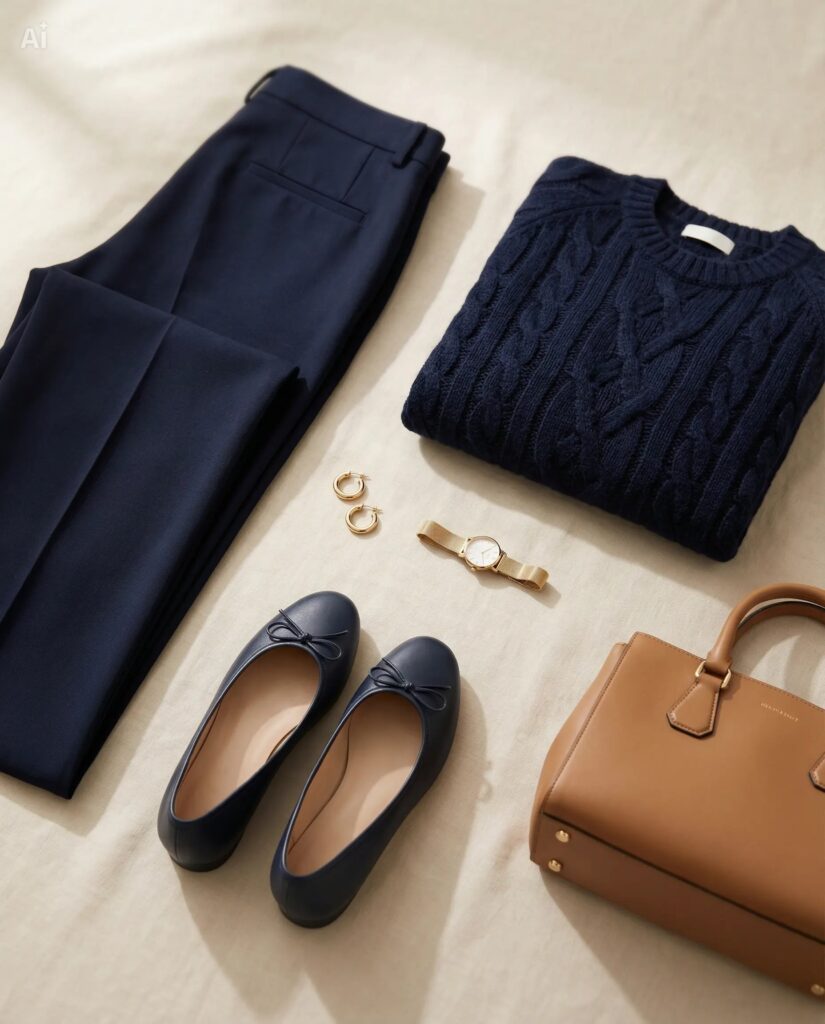
Step 3: Build Outfits First (Not Individual Pieces)
This is where many people sabotage themselves. They shop for items, when they should be building outfits.
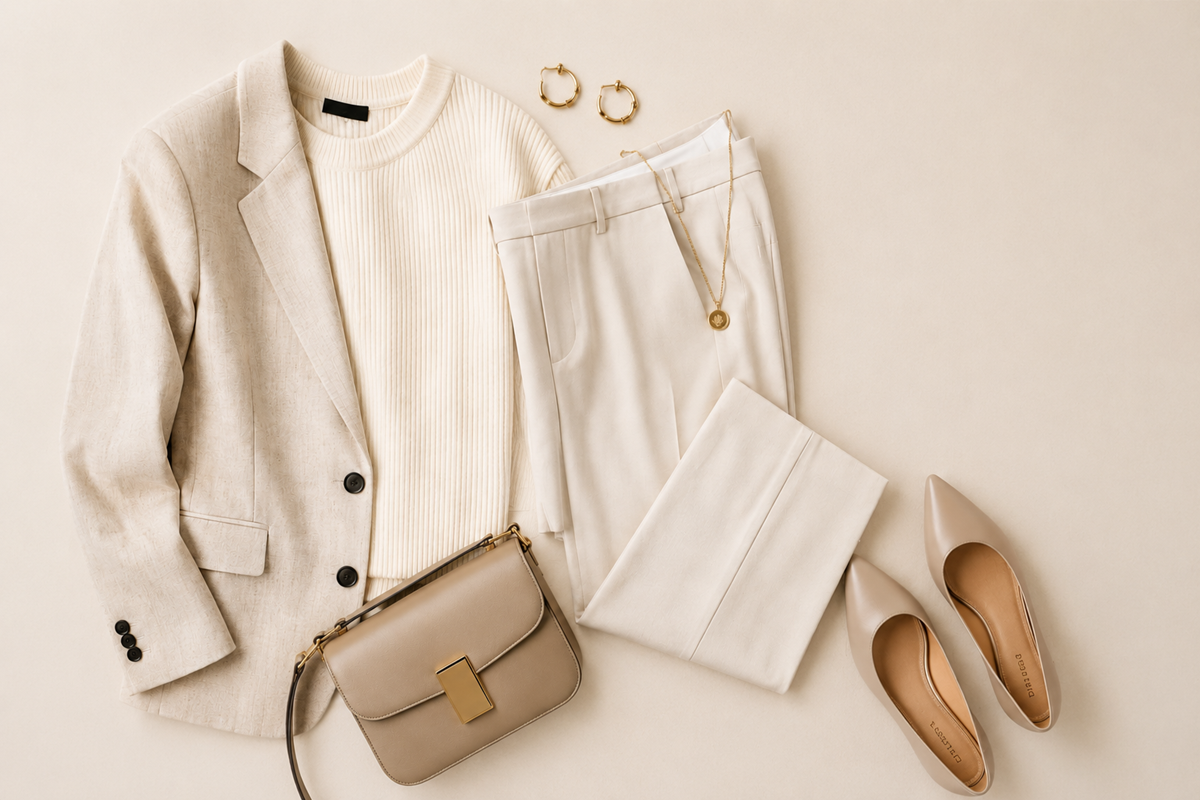
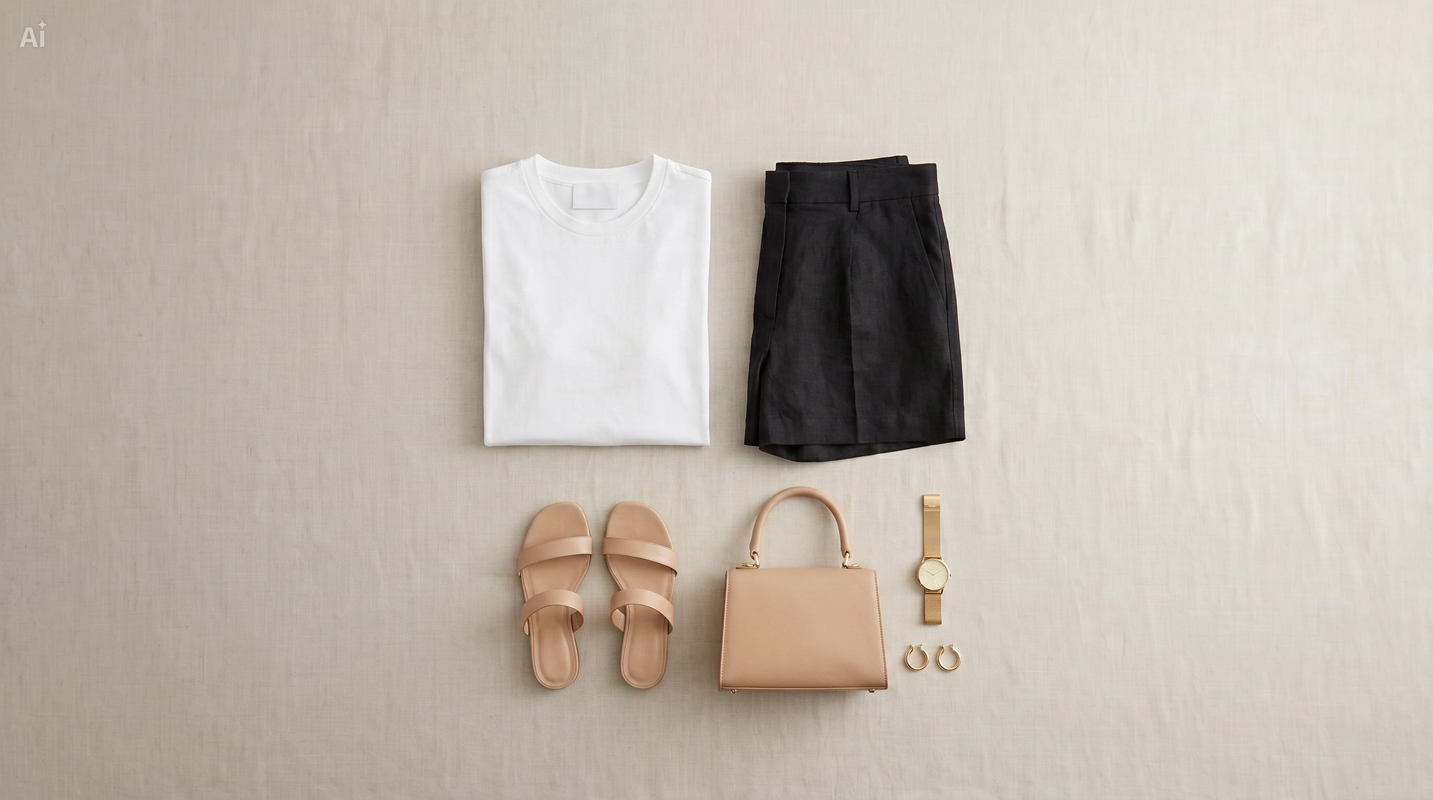
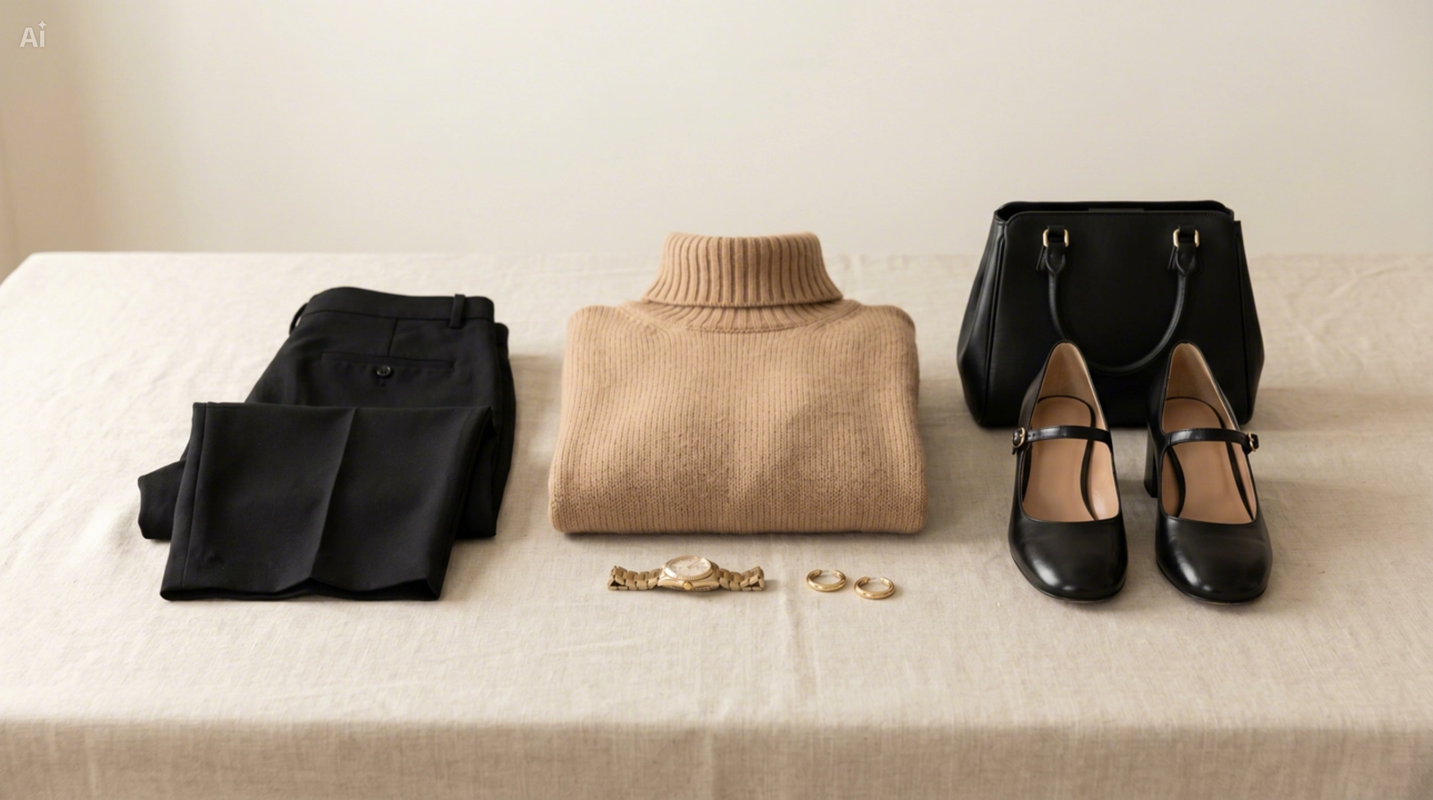
A wardrobe doesn’t work based on pieces; it works based on combinations.
Do This Instead
Take your most worn items and ask: “What can I wear this with right now?”
Start creating,
- 3–5 outfits per key piece
If you can’t do that, that piece is the problem.
Step 4: Ruthlessly Remove What Doesn’t Fit the System
This is where people hesitate, and that hesitation is exactly why their wardrobe stays broken.
Remove anything that,
- doesn’t match your current identity
- doesn’t fit your style formula
- doesn’t integrate into multiple outfits
Not “maybe,” or “one day.” If it doesn’t work now, it’s noise.
Step 5: Identify Gaps (Instead of Buying Randomly)
Only now do you look at what’s missing. Not before.
Because before this, you were guessing.
Now you’re precise.
Ask
- What pieces would complete multiple outfits?
- Where am I repeating limitations?
- What’s stopping this wardrobe from functioning?
That’s your shopping list.
Not trends, or impulse. Strategy.
Step 6: Build a Repeatable Wardrobe System
Building a repeatable system is what makes your wardrobe work long-term.
Not a one-time clean out. A system.
Your system should allow you to,
- create outfits quickly
- mix and match easily
- shop with intention
- edit without emotion
If your wardrobe can’t do that, it’s not finished.
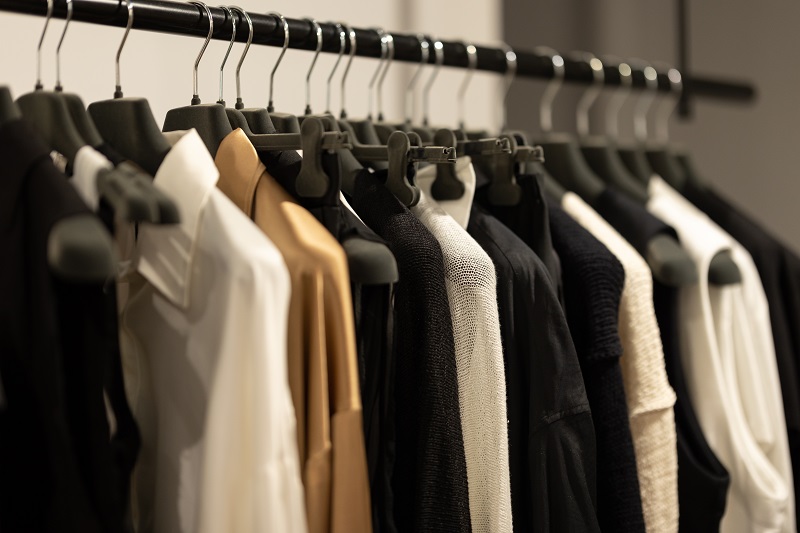
What a Working Wardrobe Actually Feels Like
Let’s be clear. A working wardrobe is not,
- massive
- complicated
- trend-driven
It’s,
- consistent
- intentional
- easy
You get dressed without overthinking. You know what works. You stop second-guessing.
The Shift Most People Never Make
Most people stay stuck in this cycle,
buy → wear once → regret → repeat
Because they never step back and build a system.
You just did.
You don’t need more clothes.
You need,
- structure
- clarity
- intention
When your wardrobe is built properly, it stops being something you manage, and starts being something that supports you.
If you want help applying this to your own wardrobe,
Explore Creating a Cohesive Wardrobe.
Knowing what to do is one thing but doing it properly, and with clarity, is what changes everything.
If you skip steps,
- your wardrobe stays inconsistent
- your spending stays reactive
- your style stays unclear
There is no shortcut here, but there is a system.
And now you have it.
Fashion you can buy, but style you possess.
Iris Apfel