

Musée Rodin
Why I Went
I probably shouldn’t admit to playing favourites, but if I had to choose just one museum in Paris to return to again and again, it would be the Musée Rodin.
While the Louvre is magnificent and the Musée d’Orsay is unforgettable, the Musée Rodin offers something different. It feels peaceful. Unhurried. Human.
Walking through the sculpture gardens, with bronze masterpieces surrounded by roses, clipped hedges and centuries-old trees, I felt as though I had stepped into another world. It wasn’t simply a museum visit; it was an experience that encouraged me to slow down and really look.
If I could recommend only one museum to someone visiting Paris for the first time, this would be it.
About the Museum
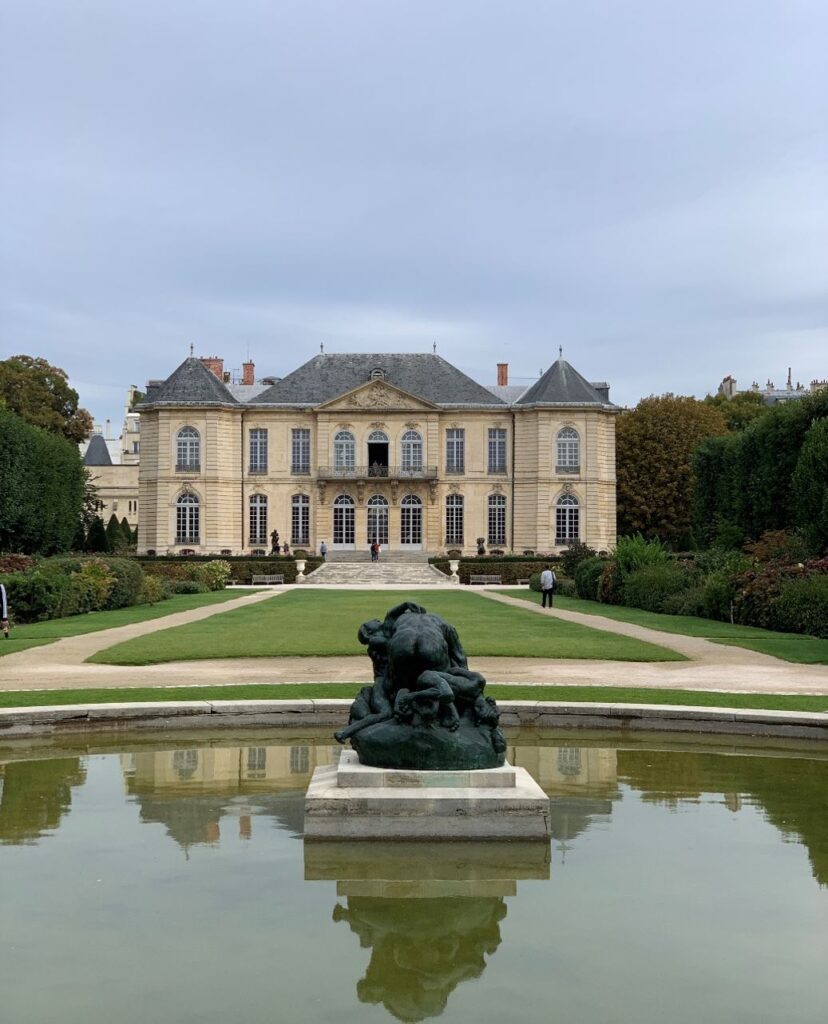
The Musée Rodin is housed within the elegant 18th-century Hôtel Biron, where Auguste Rodin lived and worked during the final years of his life.
Before his death in 1917, Rodin donated his sculptures, drawings, archives and personal collections to the French State on the condition that the building become a museum dedicated to his work. It opened to the public in 1919 and remains one of Paris’ most treasured museums.
Today, visitors can explore both the beautifully restored mansion and the expansive sculpture gardens, which display many of Rodin’s most celebrated works in the natural light he intended. Alongside sculptures are drawings, photographs, paintings and works from Rodin’s personal collection, providing a deeper understanding of both the artist and his creative process.
Highlights
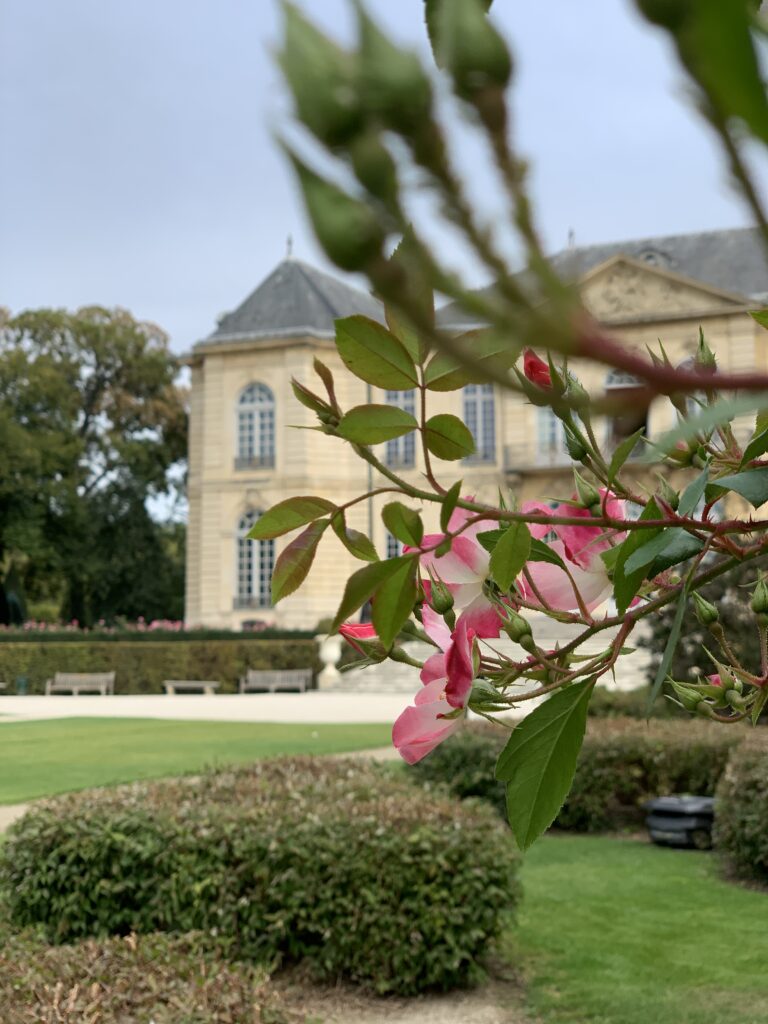
Unlike many museums where artworks are viewed from behind ropes or glass, Rodin’s sculptures live outdoors amongst the gardens. You can walk around them, see how the light changes across the bronze, and appreciate every angle.
Some of the highlights include:
The sculpture gardens themselves, which make the entire museum feel like an outdoor gallery designed for quiet reflection.
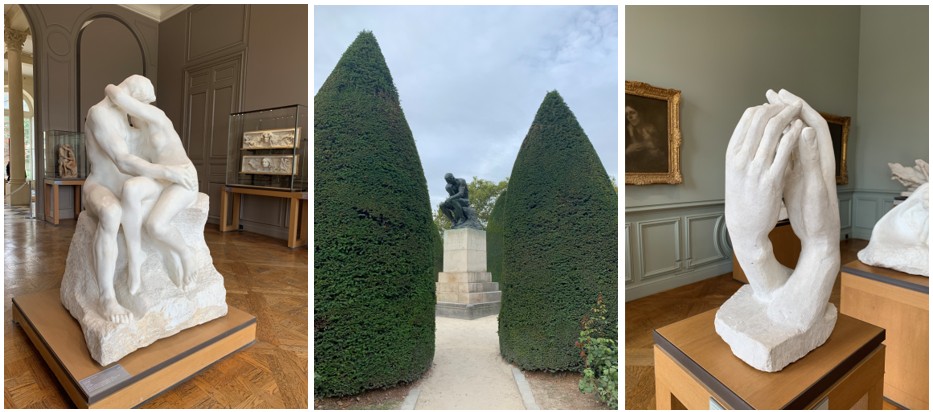
- The Thinker – perhaps the world’s most recognisable sculpture, yet somehow even more powerful in person.
- The Gates of Hell – an extraordinary work that inspired many of Rodin’s later sculptures, filled with movement, emotion and remarkable detail.
- The Kiss – one of the most celebrated sculptures of romantic love, carved from luminous marble.
- The Burghers of Calais – a deeply moving sculpture that captures courage, sacrifice and humanity.
Lessons in Style
One of the reasons I love Rodin’s work is that nothing feels overworked.
His sculptures aren’t about perfection. Many appear unfinished, with rough surfaces beside beautifully detailed faces or hands. Yet those imperfections are exactly what make them feel alive.
It reminded me that elegance rarely comes from adding more. It comes from knowing what to leave untouched.
That lesson applies just as much to personal style.
The women whose style I admire most aren’t usually wearing the loudest trends or the most expensive wardrobes. Their confidence comes from simplicity, restraint and authenticity.
Standing amongst Rodin’s sculptures, I was reminded that timeless beauty isn’t created by chasing perfection. It’s created by revealing character.
Perhaps that’s why this remains my favourite place in Paris. It isn’t simply beautiful.
It reminds me that the most enduring style – whether in art, fashion or life – is always deeply human.
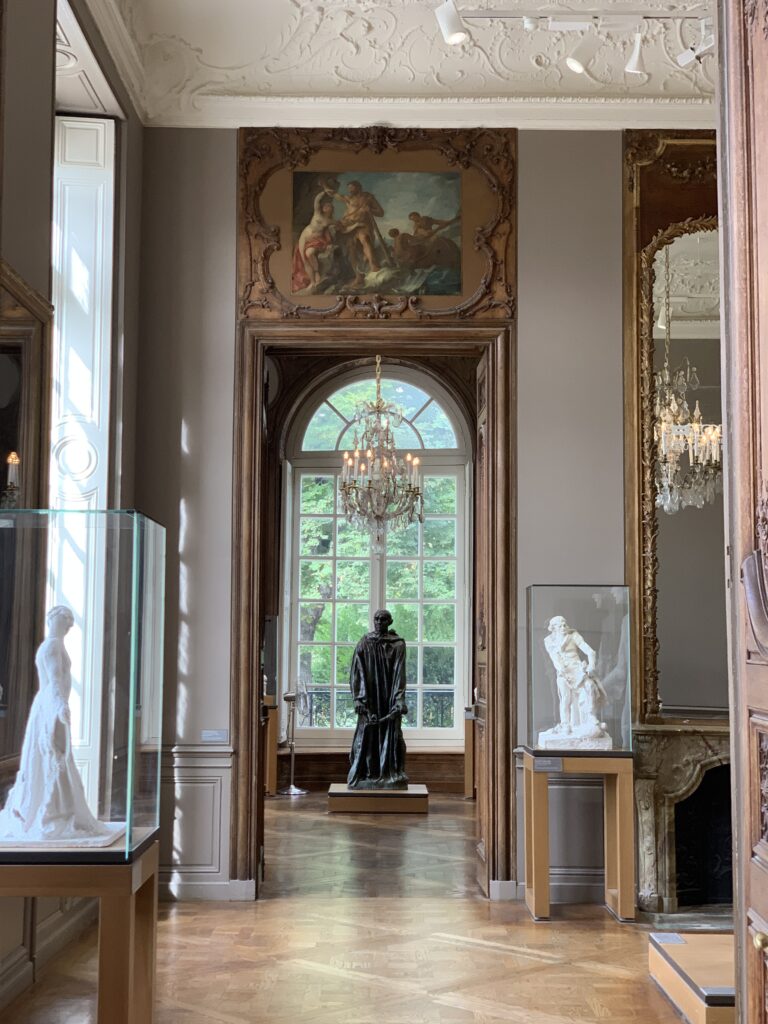
The work of art is already within the block of marble. I just chop off whatever isn’t needed.
Auguste Rodin