

Gabrielle Chanel: Fashion Manifesto
Why I Went
Some designers influence fashion for a season. Others change it forever.
Gabrielle “Coco” Chanel belongs firmly in the second category.
Long before I visited Gabrielle Chanel: Fashion Manifesto, I admired the way Chanel challenged conventions and redefined how women dressed. She championed comfort without sacrificing elegance, proving that simplicity could be every bit as sophisticated as extravagance.
When the exhibition arrived at the National Gallery of Victoria, it was an opportunity to see that legacy up close.
More than anything, I wanted to better understand the woman behind one of the world’s most recognisable fashion houses. Seeing the garments in person offered a deeper appreciation for the craftsmanship, innovation and timeless thinking that continue to influence fashion today.
It was a reminder that truly great style isn’t created by following trends. It’s created by having the confidence to define your own.
About the Exhibition
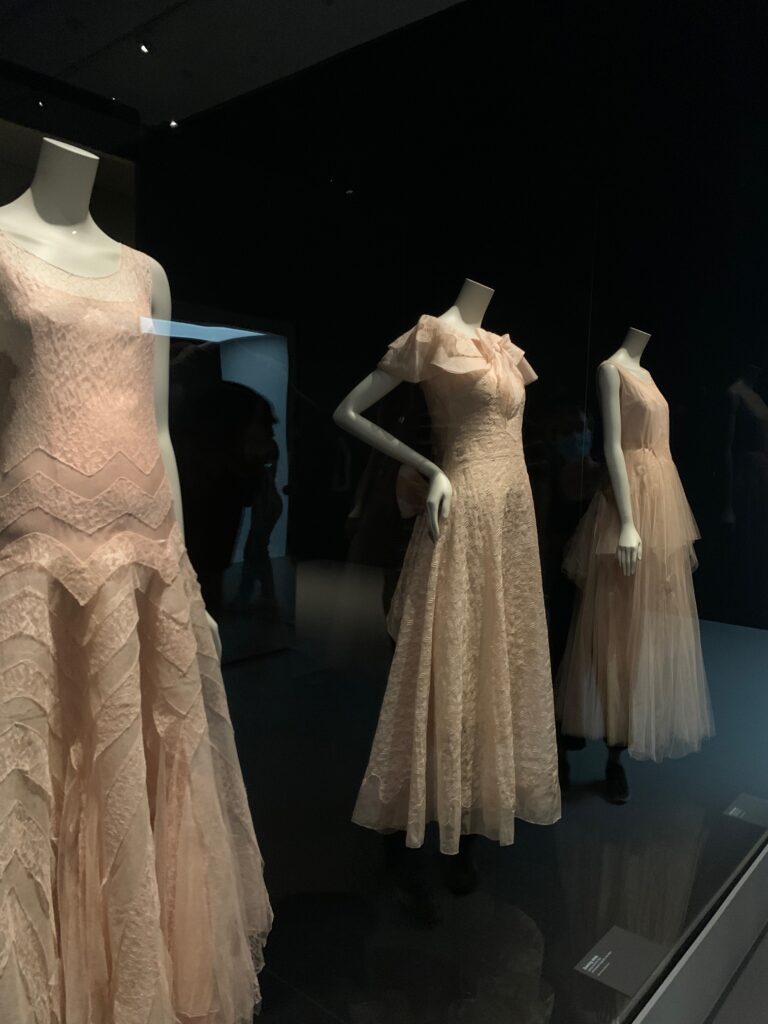
Gabrielle Chanel: Fashion Manifesto explored the life, work and lasting influence of Gabrielle Chanel, one of the most significant designers of the twentieth century.
Featuring garments, accessories, jewellery, perfume and archival material, the exhibition traced Chanel’s evolution from milliner to fashion visionary, highlighting the revolutionary ideas that transformed women’s wardrobes.
Rather than focusing solely on chronology, the exhibition examined the defining principles of Chanel’s work; simplicity, freedom of movement, elegant tailoring, luxurious fabrics and understated refinement.
Visitors were able to see many of the Maison’s most recognisable design signatures, including tweed suits, little black dresses, jersey garments, costume jewellery and quilted handbags, alongside insights into Chanel’s creative philosophy and enduring influence.
The exhibition demonstrated why Chanel’s ideas remain just as relevant today as when they first appeared over a century ago.
Highlights
One of the exhibition’s greatest strengths was its ability to show how revolutionary Chanel’s designs were for their time. Many garments that now feel like timeless classics began as bold departures from the fashion conventions of the early twentieth century.
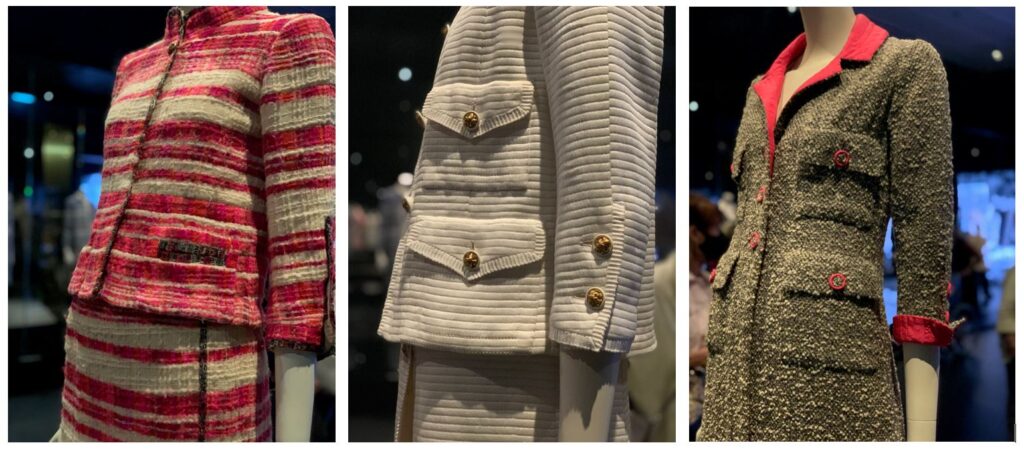
The beautifully tailored tweed suits were a particular highlight. Their clean lines, effortless elegance and practicality illustrated Chanel’s belief that women should be able to move comfortably while still looking impeccably dressed.
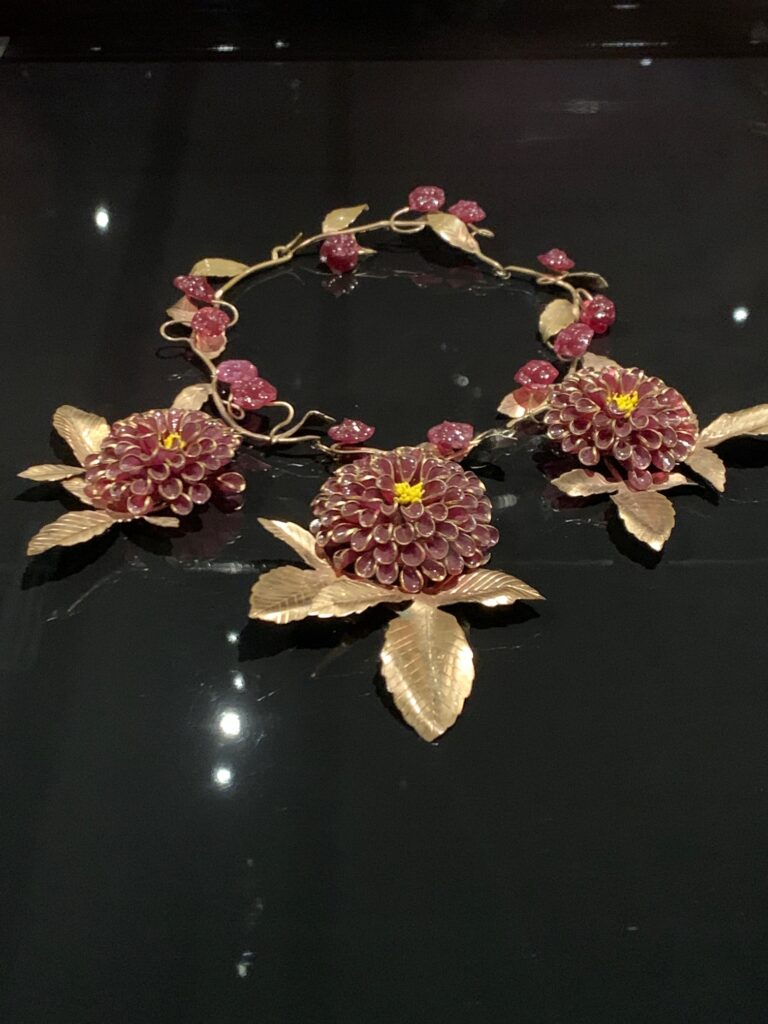
I also enjoyed seeing the evolution of Chanel’s accessories, from costume jewellery to quilted handbags, each reflecting the Maison’s ability to combine beauty with functionality.
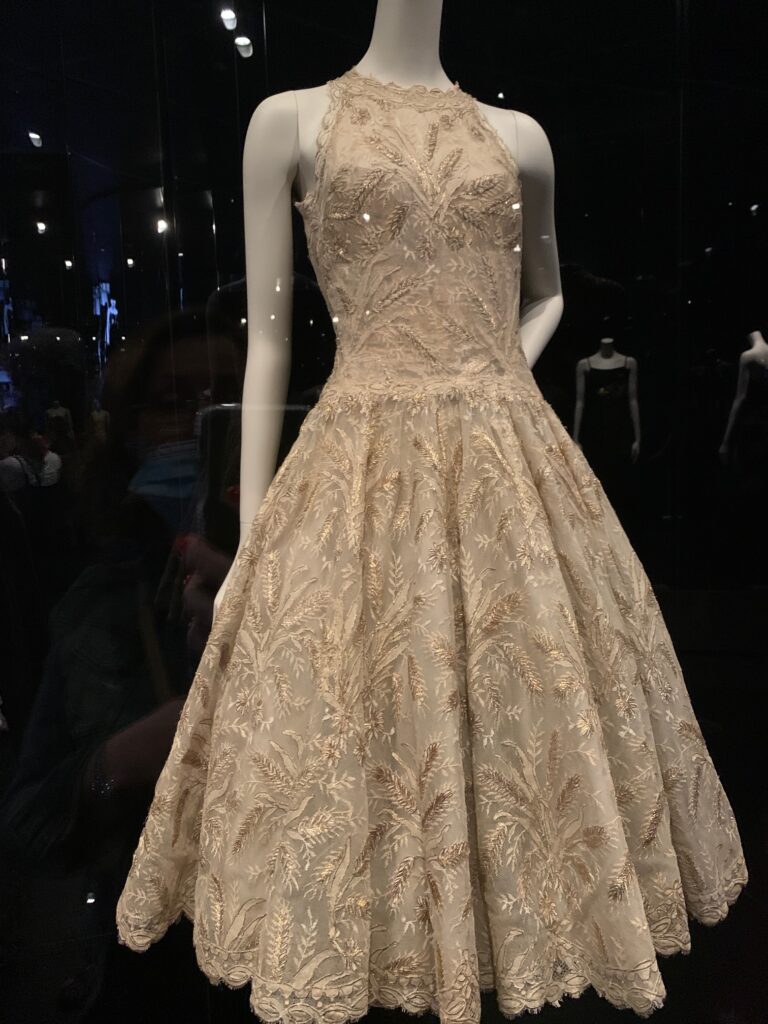
Throughout the exhibition, craftsmanship remained a constant theme. Every garment revealed careful construction and meticulous attention to detail, proving that simplicity often requires extraordinary skill.
Perhaps the most striking takeaway was how contemporary many of the designs still feel. Decades after they were created, they continue to inspire wardrobes around the world.
Lessons in Style
Gabrielle Chanel understood something that continues to shape the way I think about style: elegance begins with simplicity.
Her work demonstrated that a thoughtfully curated wardrobe is often more powerful than one overflowing with choice. Beautiful fabrics, excellent tailoring and timeless design will always outlast passing trends.
The exhibition also reinforced the importance of dressing for your life rather than for fashion. Chanel created clothing that allowed women to move, work and live with confidence; an idea that feels just as relevant today.
Perhaps the greatest lesson, however, is that personal style isn’t about imitation. Chanel created an unmistakable identity because she remained true to her own vision.
That same principle applies to every wardrobe. Style becomes far more meaningful when it reflects who we are rather than who we think we should be.
Simplicity is the keynote of all true elegance.