

Musee de l’Orangerie: Water Lilies by Claude Monet
Why I Went
There are some places in the world that simply have to be experienced.
For me, the Musée de l’Orangerie was one of them.
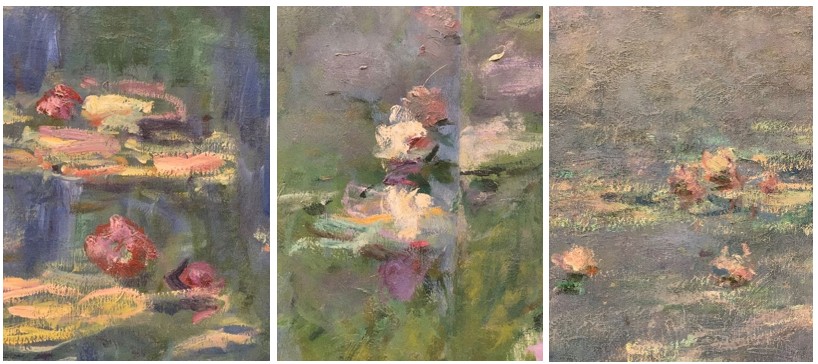
Like many people, I’d seen photographs of Monet’s Water Lilies countless times. But photographs can never prepare you for walking into the two oval rooms where the paintings surround you completely. I wanted to experience the works as Monet intended, not as individual paintings, but as an immersive environment of light, colour and reflection.
Tucked beside the Jardin des Tuileries, the Orangerie is quieter than many of Paris’s larger museums. That slower pace makes it the perfect place to pause, absorb the art and appreciate one of the world’s most beautiful collections of Impressionist and early modern masterpieces.
About the Museum
Originally built in 1852 as an orangery for the Tuileries Gardens, the building was transformed into a museum after Claude Monet gifted his monumental Water Lilies series to the French state following the First World War as a symbol of peace. The paintings were installed in specially designed oval galleries in 1927, creating the immersive experience visitors enjoy today.
Beyond Monet’s masterpieces, the museum is home to the celebrated Walter-Guillaume Collection, featuring works by Renoir, Cézanne, Matisse, Picasso, Rousseau, Modigliani, Soutine and many other influential artists from the late nineteenth and early twentieth centuries.
Although relatively small by Parisian standards, the Musée de l’Orangerie is widely regarded as one of the city’s finest museums because of both the quality of its collection and the peaceful way it allows visitors to experience the art.
Highlights
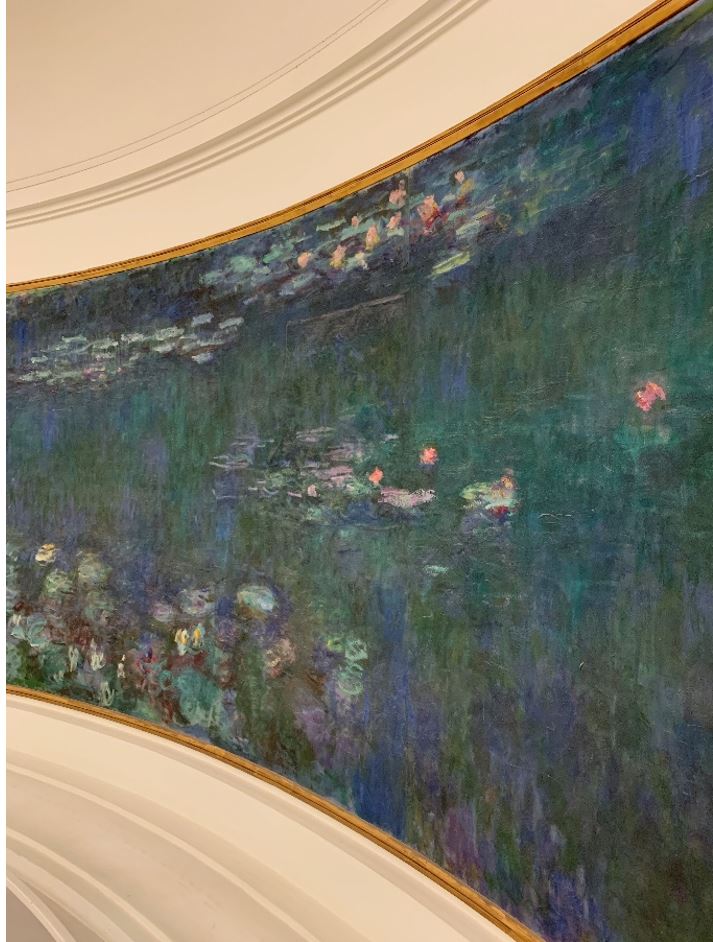
Nothing prepares you for the first glimpse of Monet’s Water Lilies.
Instead of hanging on a wall, the paintings surround you. The curved galleries encourage you to walk slowly, taking in changing colours, reflections and brushstrokes from every angle. It feels less like looking at paintings and more like stepping inside Monet’s world.
I also loved the contrast between the serenity of Monet’s galleries and the vibrant collection upstairs. Seeing works by Cézanne, Renoir, Matisse, Picasso and Modigliani together offers a wonderful snapshot of how modern art evolved during one of history’s most creative periods.
The museum itself is beautifully understated. There are no grand staircases competing for attention. Everything quietly directs your focus back to the art.
Lessons in Style
The Musée de l’Orangerie reminded me that true beauty rarely demands attention.
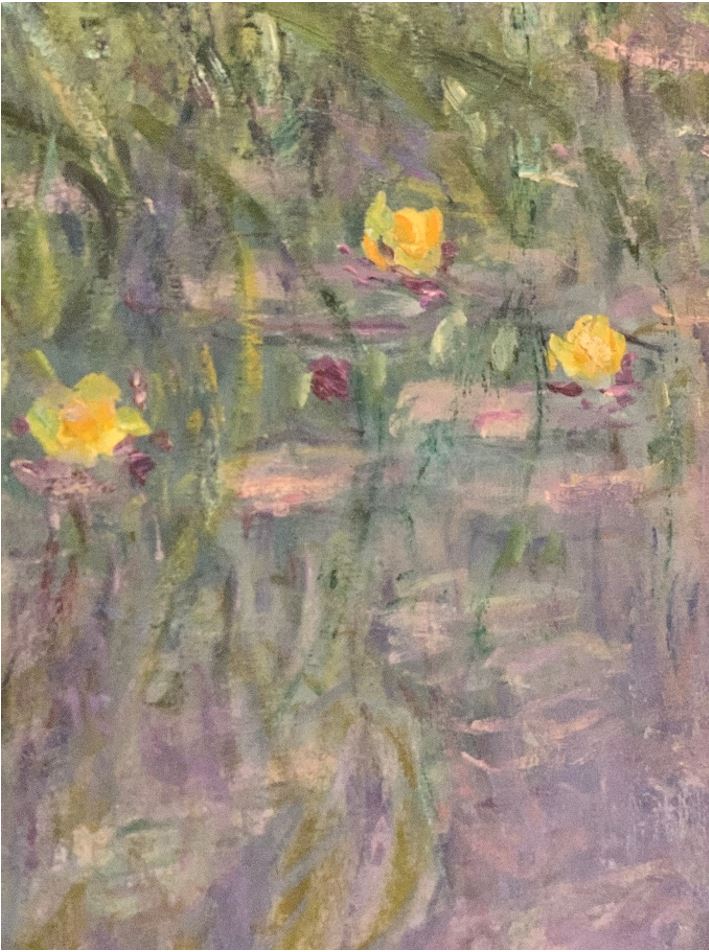
Monet’s Water Lilies don’t rely on dramatic subjects or elaborate detail. Instead, they invite you to slow down and notice subtle changes in light, colour and atmosphere. The more time you spend with them, the more they reveal.
I think personal style works much the same way.
The women whose style I admire most aren’t necessarily the loudest or the trendiest. Their confidence comes from consistency, restraint and knowing exactly who they are.
Walking through the Orangerie reinforced something I return to often: timeless style isn’t created by constantly adding more. It’s created by refining what already matters.
Like Monet’s paintings, the most beautiful things often reveal themselves slowly.
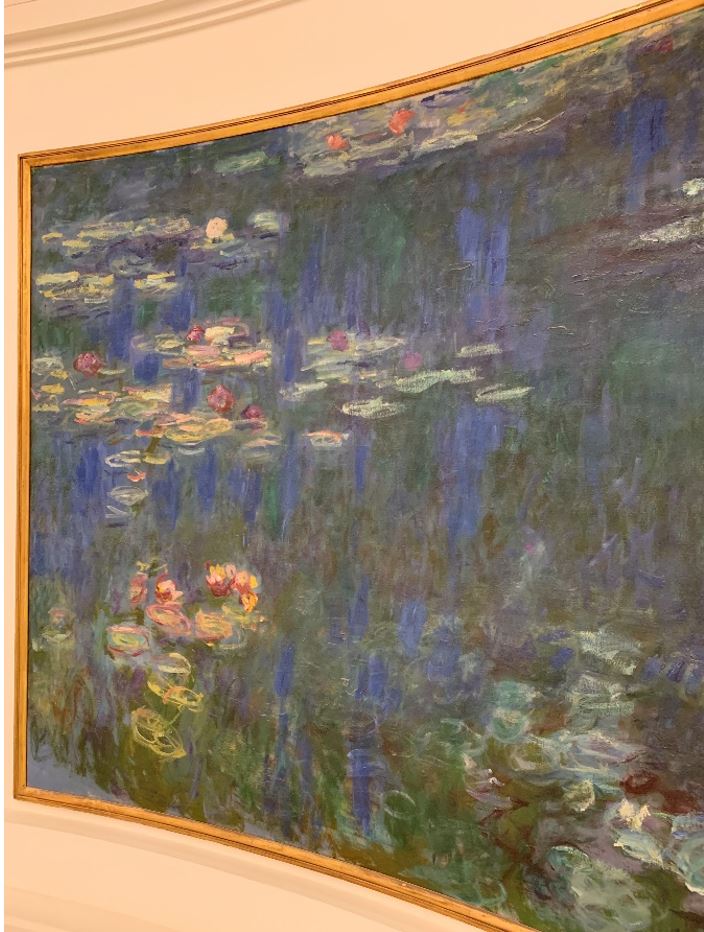
I must have flowers, always, and always.
Claude Monet