

Pharoah
Why I Went
Ancient Egypt has fascinated me for as long as I can remember.
Beyond the pyramids and treasures lies one of the world’s greatest design cultures, where architecture, sculpture, jewellery, writing and symbolism were all created with extraordinary precision and purpose.
When the NGV announced Pharaoh, I knew it would be an exhibition worth experiencing. Seeing thousands of years of history brought together in one place was a rare opportunity, and one that offered far more than an archaeological display. It was a chance to appreciate how art, craftsmanship and design have shaped civilisation for more than three thousand years.
About the Exhibition
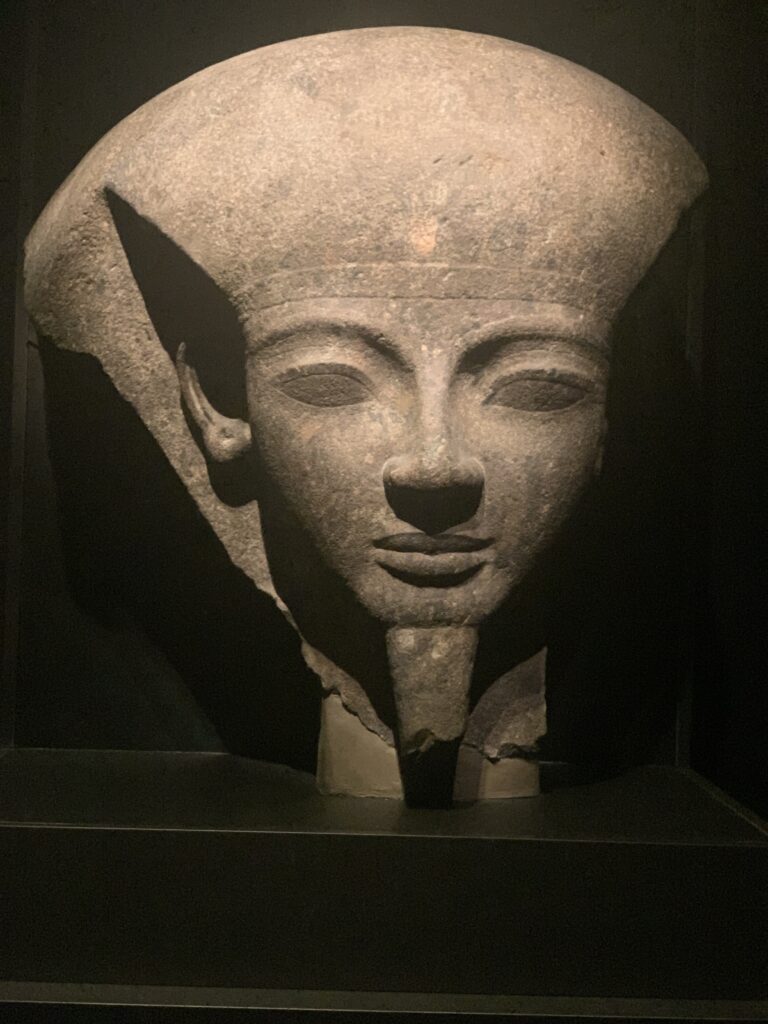
Presented by the National Gallery of Victoria in partnership with the British Museum, Pharaoh brought together more than 500 extraordinary objects spanning over 3,000 years of ancient Egyptian history. Monumental sculptures, royal jewellery, temple architecture, papyri, coffins, statues and funerary objects explored the lives and legacies of Egypt’s rulers, from the earliest dynasties through to the Roman conquest.
Rather than simply telling the story of famous pharaohs such as Tutankhamun and Ramses II, the exhibition explored what it actually meant to be a pharaoh.
Across seven themed galleries, visitors discovered the ruler’s many roles – as king, high priest, military leader, administrator and protector of Egypt – while also revealing the myths, symbolism and political realities behind one of history’s most enduring civilisations.
Highlights
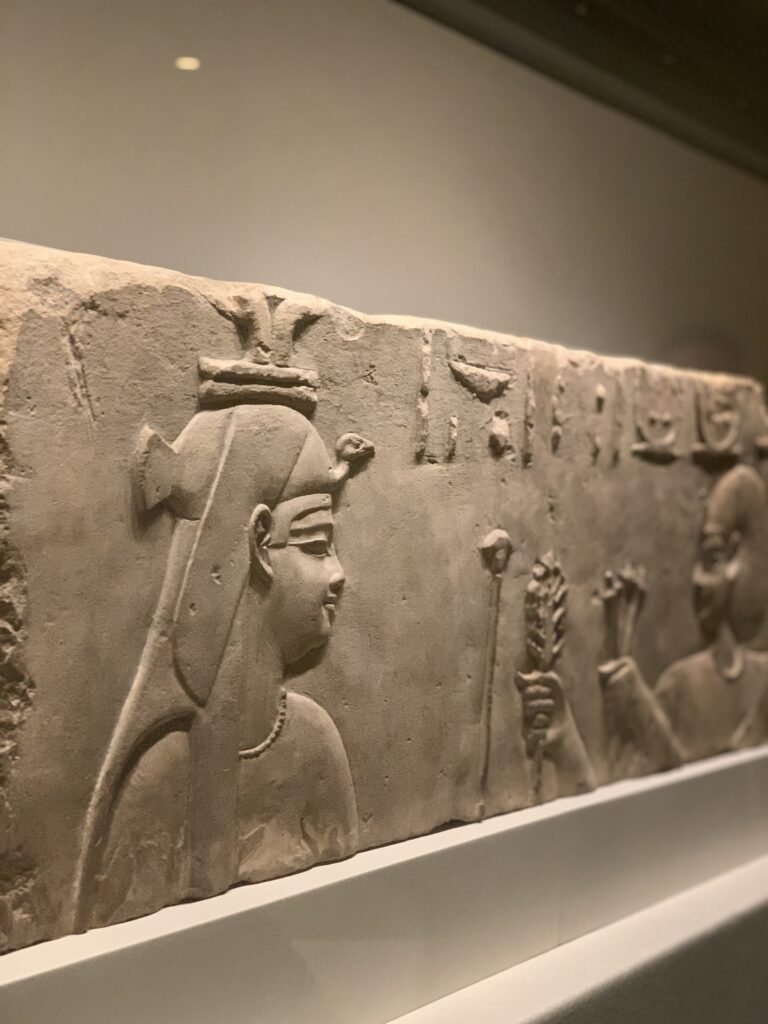
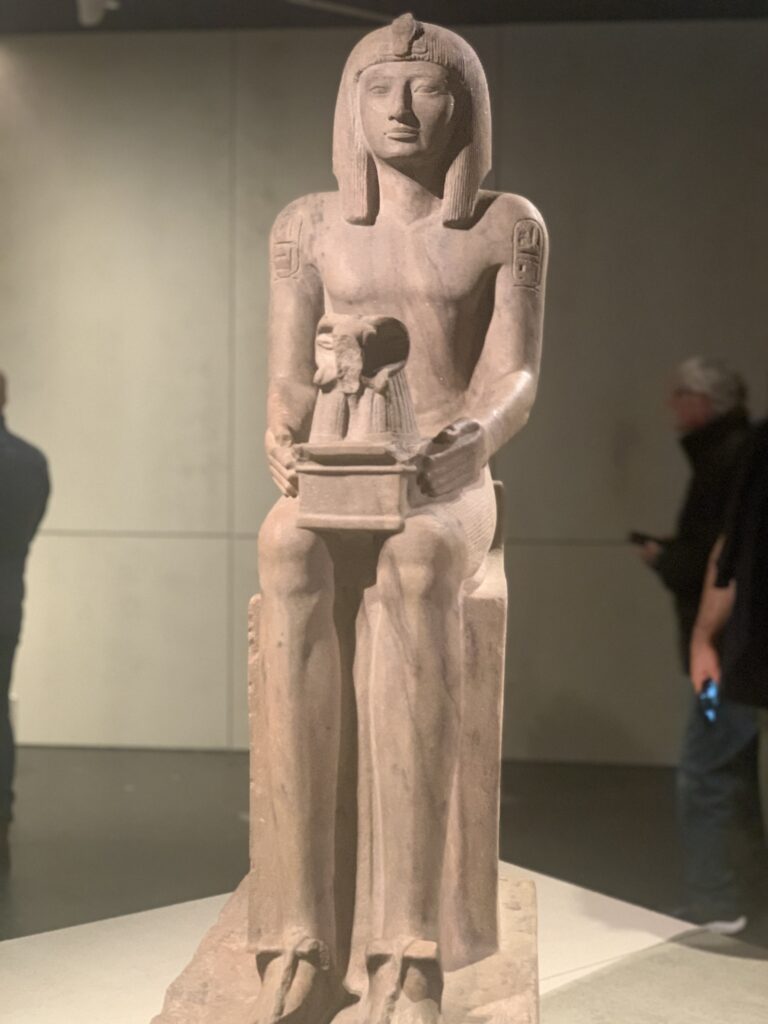
Like many visitors, I was immediately drawn to the monumental stone sculptures. Standing before works carved thousands of years ago is a humbling experience. Their scale, symmetry and craftsmanship remain astonishing today.
The jewellery was equally captivating. Gold collars, rings, amulets and intricate decorative pieces demonstrated that beauty and symbolism were inseparable in ancient Egypt. Every material, colour and motif carried meaning, reflecting status, protection or connection to the gods.
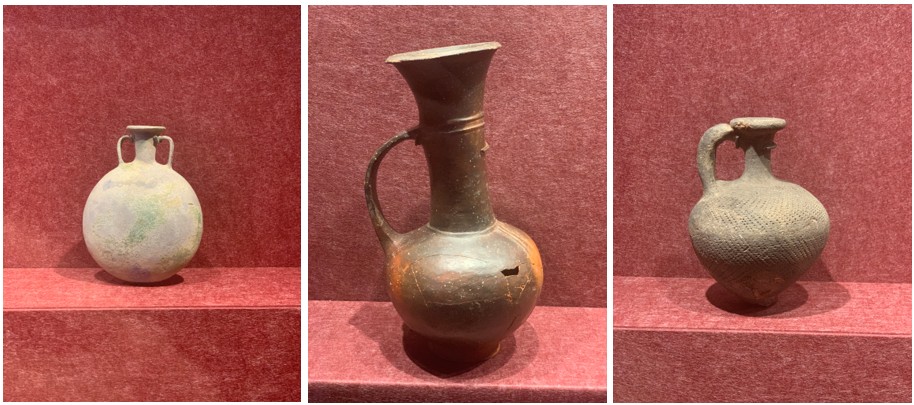
I also loved seeing everyday objects displayed alongside the grand monuments. It reminded me that behind every civilisation are ordinary people – artists, jewellers, scribes and craftsmen – whose skill allowed these remarkable works to endure for millennia.
Perhaps what impressed me most was the consistency of Egyptian design. Across thousands of years, there is an unmistakable visual language: balance, order, symbolism and meticulous craftsmanship. It is a powerful reminder that truly timeless design doesn’t chase trends; it builds an identity that lasts.
Lessons in Style
Although Pharaoh isn’t a fashion exhibition, it offers valuable lessons in design.
The ancient Egyptians understood the importance of consistency. Their architecture, jewellery, sculpture and visual symbols all spoke the same language. Every detail reinforced a clear identity.
The same principle applies to personal style.
A wardrobe doesn’t become timeless because every item is expensive. It becomes timeless when each piece works together to tell a consistent story about who you are.
Walking through Pharaoh, I was reminded that the most enduring style is intentional. Whether designing a temple, creating a piece of jewellery or building a wardrobe, thoughtful choices will always outlast passing trends.
For me, that’s what made this exhibition so memorable. It wasn’t simply about looking back at history; it was about recognising that good design has always been rooted in purpose, craftsmanship and clarity.
He who is rich in wisdom is richer than he who is rich in gold.