
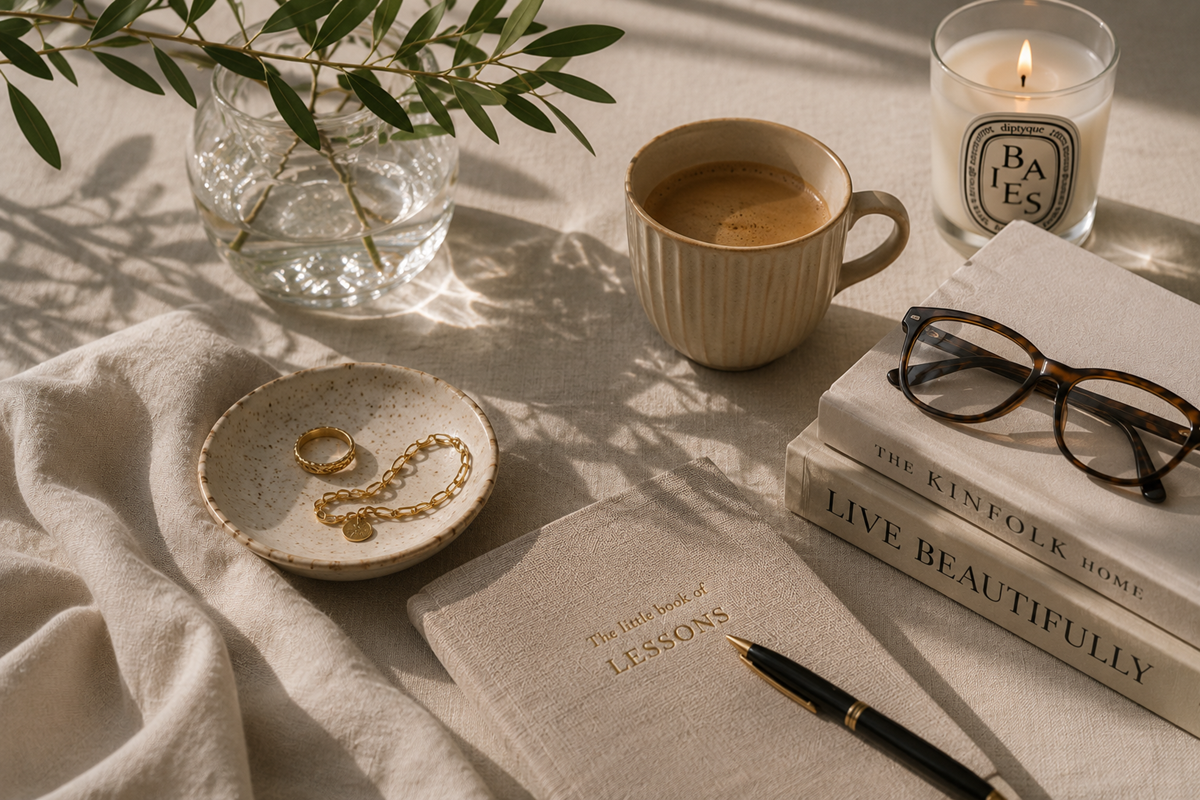
Use the Good Things: Why Beautiful Things Should Belong to Everyday Life
Somewhere in your home, there may be something you are saving.
- The beautiful candle you haven’t lit.
- The expensive hand cream you use sparingly.
- The dress waiting for the right occasion.
- The handbag kept carefully in its dust bag.
- The good dinner wear reserved for guests.
- The bottle of wine waiting for something worth celebrating.
Perhaps there are beautiful towels nobody is allowed to use, stationery too lovely to write on, or jewellery that spends most of its life tucked safely inside a box.
We call these our “good things,” and then we protect them so carefully that we barely experience them at all.
There is something rather strange about this; we choose beautiful things because we imagine they will bring something to our lives, and then once we own them, we wait for life to become important enough to use them.
But what if the ordinary day is important enough?
What Are We Waiting For?
Most of us don’t consciously decide to postpone enjoyment.
It happens quietly.
- I’ll wear that when we go somewhere special.
- I’ll open that when people come over.
- I’ll use that on holiday.
- I’ll save it for summer.
- I’ll start when I have more time.
- I’ll enjoy it later.
Later is a wonderfully convenient place. Everything is perfect there.
But life is mostly made up of ordinary days.
- Tuesday mornings.
- Dinner at home.
- Walking the dog.
- Working.
- Making a cup of tea.
If beauty is reserved exclusively for special occasions, we may spend an enormous proportion of our lives waiting for permission to enjoy it.
Perhaps we should stop waiting.
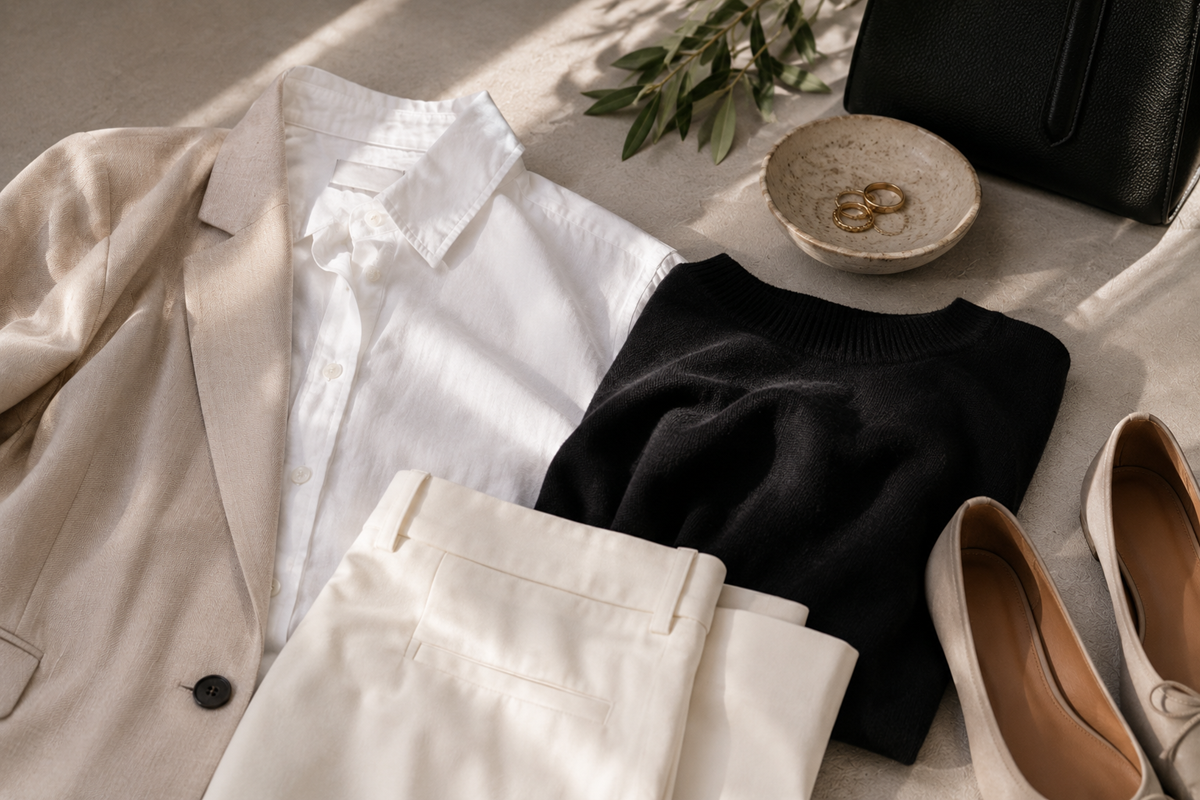
Wear the Clothes
Fashion is one of the easiest places to see this behaviour.
Many of us have clothes divided into invisible categories.
- Everyday clothes.
- Work clothes.
- Going-out clothes.
And then there are the good clothes; the things we are frightened of wearing too often.
- We don’t want to ruin them.
- We don’t want them to wear out.
- We don’t want to waste them on an ordinary day.
So instead, we repeatedly wear the clothes we like less while preserving the clothes we love.
This makes very little sense.
- Clothes are made to be worn.
- Shoes are made to walk in.
- Handbags are made to carry things.
- Jewellery is meant to catch the light.
Of course we should care for beautiful things; quality deserves care. But caring for something and being afraid to use it are not the same thing.
A beautiful coat eventually showing signs of being worn is not necessarily a tragedy. It may simply be evidence of a coat that has had a life.
Cost Per Wear Is About More Than Money
We often talk about cost per wear as a way of justifying a purchase.
If we buy an expensive jacket and wear it a hundred times, the cost per wear becomes relatively low.
But there is another way to think about it; every time we wear something we genuinely love, we receive something back from it.
- Pleasure.
- Confidence.
- Comfort.
- Beauty.
- A memory.
Perhaps that is another kind of return on investment.
A beautiful handbag sitting permanently inside its dust bag isn’t giving us much of a return at all, and neither is a dress hanging untouched in a wardrobe.
The value of an object isn’t only what we paid for it; part of its value lies in how it participates in our lives.
Everyday Beauty Matters
This idea extends well beyond clothes.
There is something deeply pleasurable about drinking tea from a cup you love, putting flowers beside your bed, using linen napkins for an ordinary dinner, or playing music while cooking.
None of these things transforms a life, and perhaps that’s precisely the point.
Intentional living doesn’t need to be dramatic; it can simply mean paying a little more attention to the way ordinary life feels.
Beauty doesn’t have to be extravagant. It just has to be noticed.
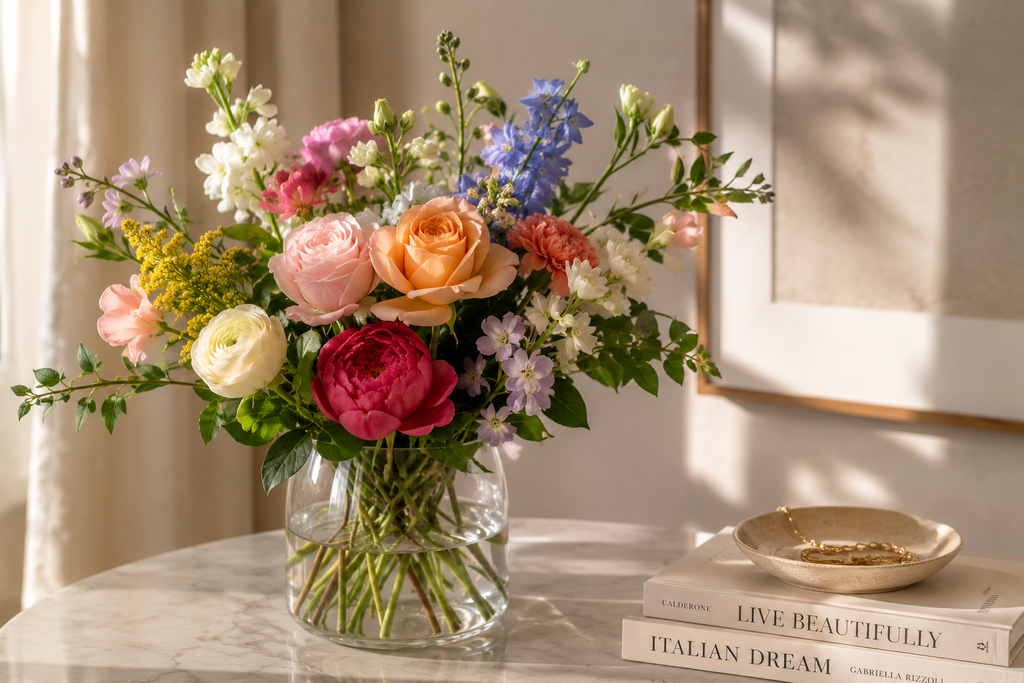
Stop Performing Beauty for Other People
There is another interesting question hidden inside our tendency to save things for special occasions.
Why are guests sometimes considered more deserving of our beautiful things than we are?
- We use the good plates when people come for dinner.
- We buy flowers when we’re entertaining.
- We tidy the room.
- We light the candles.
- We make an effort.
There is nothing wrong with creating something beautiful for other people. Hospitality can be a wonderful expression of care.
But, perhaps we deserve some of that care too. The person eating breakfast alone on Wednesday morning is living a life just as real as the person hosting dinner on Saturday night.
Beauty doesn’t need an audience, and neither does style.
Sometimes dressing beautifully when nobody particularly important is going to see you is one of the clearest expressions of personal style.
You aren’t performing, you simply enjoy it.
Objects Are Meant to Acquire Stories
We often want beautiful possessions to remain perfect, but some of the most treasured things we own are valuable precisely because they aren’t.
- The table has marks from dinners.
- The book has notes in the margin.
- The leather handbag has softened.
- The shoes have walked through cities.
- The serving dish has appeared at countless family meals.
- The coat has travelled.
These things have become more than objects; they have accumulated stories.
There is a Japanese concept, wabi-sabi, that recognises beauty in imperfection, impermanence and the passage of time. It offers an interesting alternative to our obsession with keeping everything looking new.
Sometimes wear is not damage.
Sometimes it is history.
Saving Things Can Become Another Form of Waste
When we think about waste, we usually think about throwing things away.
But there is another kind; owning something and never using it.
This is particularly relevant when we are trying to consume more intentionally.
Buying fewer, better things only makes sense if those things become part of our lives. Otherwise, we have simply created a more expensive form of clutter.
Intentional consumption isn’t complete at the point of purchase. The object needs to be used, loved, maintained and repaired where possible.
And eventually, perhaps, passed on.
That is a much more complete relationship with the things we own.
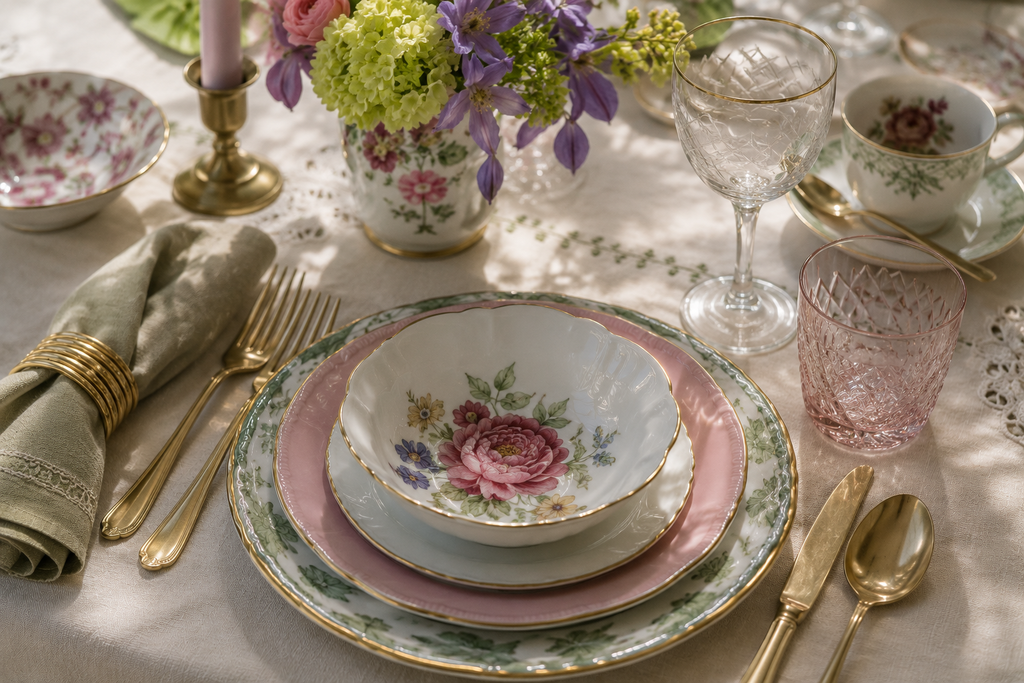
Ordinary Days Are the Occasion
We tend to divide life into the memorable moments and everything in between.
- Birthdays.
- Holidays.
- Weddings.
- Anniversaries.
- Celebrations.
- Trips.
These moments matter, but they represent only a tiny proportion of our lives.
Most of life happens in between.
Perhaps one of the quiet shifts of becoming more intentional is learning not to dismiss those days.
- The ordinary morning deserves the good tea.
- The weekday dinner deserves the beautiful bowl.
- The walk deserves the coat you love.
- The day at your desk deserves the earrings.
Not every day needs to be elevated into an event; that would become exhausting very quickly.
This isn’t about manufacturing perfection; it is simply about allowing ourselves to enjoy what we already have.
The Luxury of Use
Luxury is often associated with rarity; something precious or reserved.
Something we shouldn’t have too often.
But, perhaps there is another kind of luxury. The luxury of use.
- Using the beautiful hand cream generously.
- Wearing the cashmere.
- Sleeping on the good sheets.
- Carrying the handbag.
- Drinking from the crystal glass.
- Reading the beautiful book rather than keeping its spine pristine.
These small acts say something.
They say, “My everyday life is worthy of care.“
Not because every day is extraordinary, but because it is ours.
You Bought It for Your Life
In the previous articles in this series, we have talked about noticing what we love, choosing carefully and refining what we allow into our lives.
But intentional living cannot be only about restraint. If we spend all our time analysing, editing and saying no, we risk turning intention into another form of control.
There also needs to be pleasure. We chose these things for a reason.
- We found them beautiful.
- Useful.
- Meaningful.
- Comforting.
Perhaps they reminded us of somewhere we travelled or someone we loved. Perhaps we simply saw something and thought, that’s beautiful.
Now let them do what we chose them to do; let them become part of the texture of everyday life.
Use them. Wear them. Enjoy them. Care for them, certainly.
But don’t protect them from the very life they were meant to enrich.
Because eventually, everything changes.
- Clothes wear out.
- Candles burn down.
- Perfume bottles empty.
- China chips.
- Flowers fade.
And none of this means their beauty has been wasted.
Quite the opposite. Perhaps the greater waste would have been never experiencing it at all.
So, wear the beautiful dress.
Carry the good handbag.
Set the table.
Light the candle.
Pour the tea into your favourite cup.
Put the flowers where you can see them.
Today doesn’t need to become a special occasion.
The ordinary day was worthy all along.
Your life is a result of the choices you make. If you don’t like your life, it is time to start making better choices.
Anonymous