
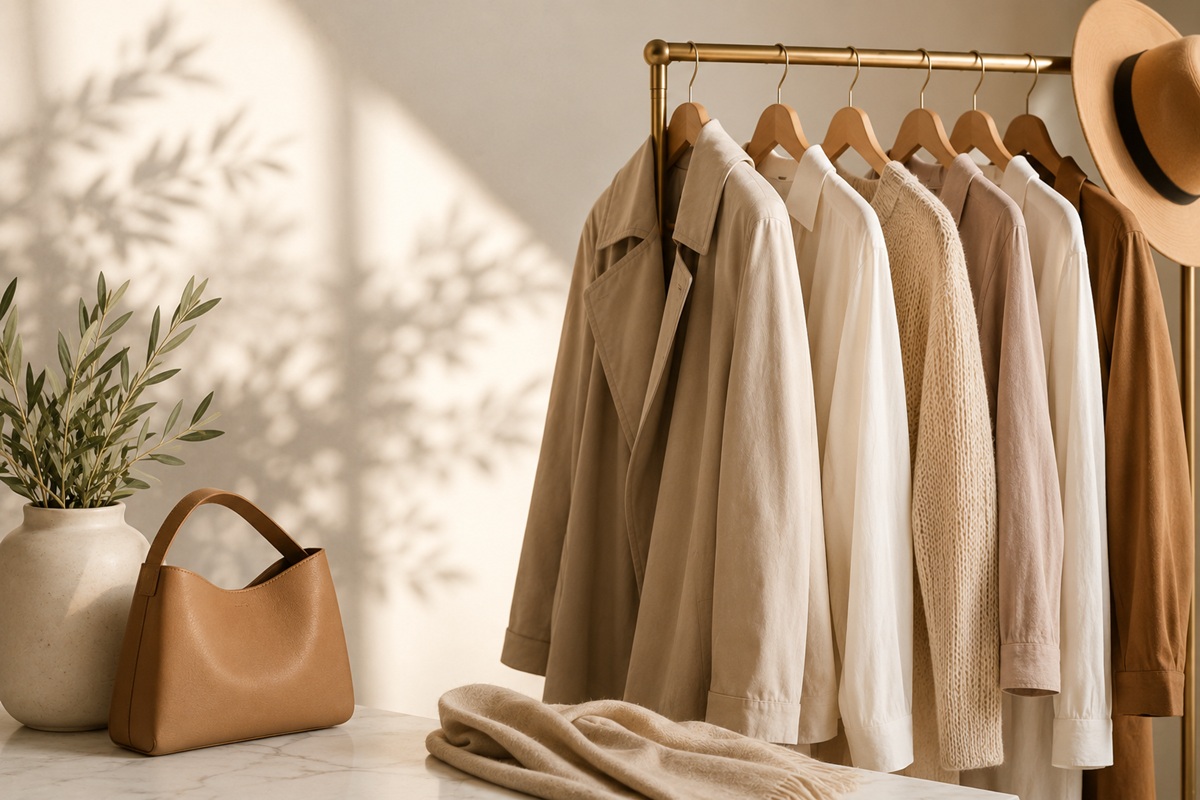
What We Wear Matters
There is a tendency to dismiss clothing as superficial.
We tell ourselves that what really matters is who we are, what we know, how capable we, are and what we contribute. And of course, those things matter enormously.
But it does not follow that what we wear is irrelevant.
Clothing is one of the ways we communicate with the world. Before we speak, before we demonstrate our knowledge, before someone understands our character or capabilities, they see us.
Perhaps more importantly, we see ourselves. And, that is where the conversation about what we wear becomes much more interesting.
We Are Always Communicating
In 2021, British womenswear brand The Fold London, in collaboration with London Business School, revisited research it had begun several years earlier into women, workwear and ambition.
Its New Workwear Code explored a workplace transformed by flexible working, video meetings and increasingly relaxed dress codes.
Yet the underlying conclusion remained remarkably familiar.
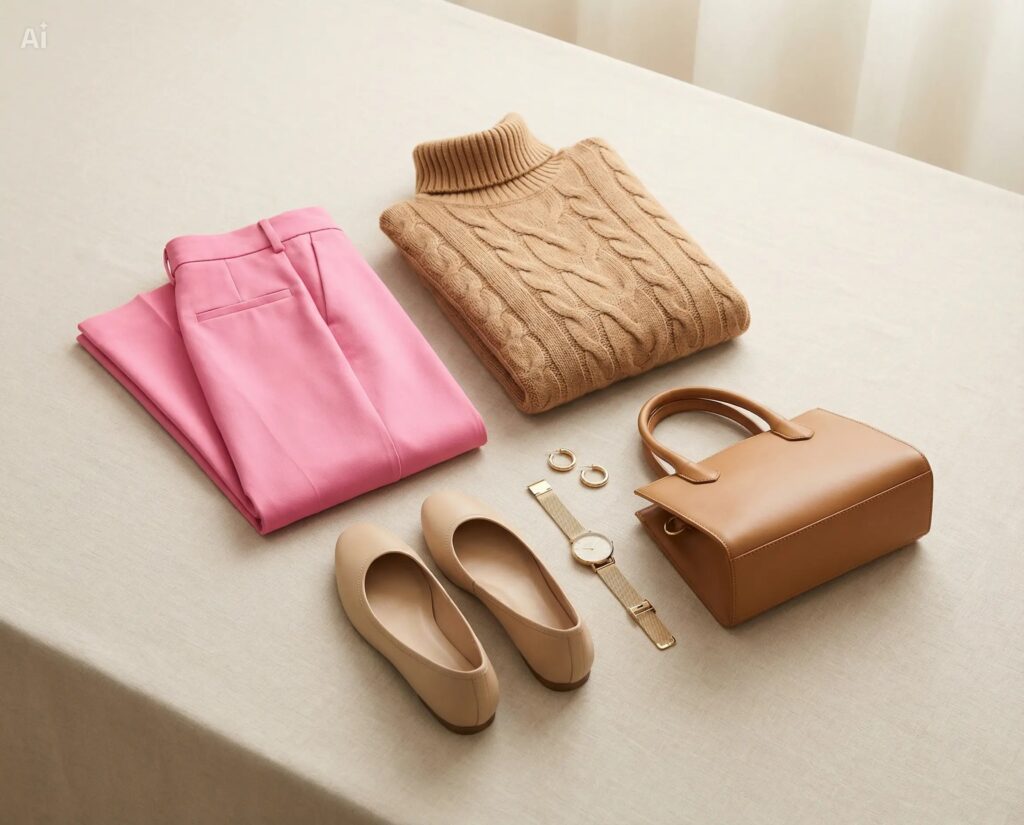
What we wear to work still matters.
The research considered the role clothing can play in executive presence, first impressions, confidence and the way an individual represents a business or brand.
Several years later, The Fold returned to the subject again.
Its 2025 Workwear Report, based on almost 2,500 responses from its global community, found that 99% of respondents believed first impressions count, while 88% said the right workwear boosts their confidence and helps create a work-mode mindset.
Even in a world where traditional workplace dress codes have become considerably less rigid, clothing has not become irrelevant.
If anything, the absence of clearly defined rules has made personal judgement more important.
But This Isn’t Really About Workwear
While the research focuses on professional clothing, I think the idea reaches much further.
What we wear matters when we walk into a meeting, but it also matters when we meet friends for lunch.
- When we go on a first date.
- When we travel.
- When we attend an important event.
- When we spend the day working from home.
And sometimes, when nobody else is going to see us at all.
Clothing does something beyond influencing how other people perceive us; it can influence how we feel about ourselves.
There is a particular feeling that comes from putting on something that feels completely right.
- You stand differently.
- You move differently.
- You may feel more polished, more capable, more creative, more relaxed, or simply, more like yourself.
The clothing hasn’t changed who you are, but it may have helped you access a part of yourself that was already there.
The Person in the Clothes
This is where personal style and self-image become difficult to separate.
When our clothes feel disconnected from who we believe ourselves to be, there can be a subtle sense of friction.
- Perhaps the wardrobe belongs to an earlier version of us.
- Perhaps we are dressing for a body we used to have.
- A workplace we no longer inhabit.
- A lifestyle that has changed.
- Or an idea of the person we thought we were supposed to become.
We can own plenty of perfectly good clothes and still stand in front of the wardrobe thinking, “None of this feels like me.”
That sentence is rarely just about clothes. It can be a sign that our identity has moved forward while our wardrobe has stayed behind.
Dressing for the Woman You Are Becoming
The phrase dress for the job you want has been repeated so often that it has almost become meaningless.
I prefer a different question, “How does the woman you are becoming, show up in the world”
Not because we need to create a costume for some imaginary future version of ourselves; quite the opposite.
It is about recognising that our external choices can support our internal intentions.
If you want to feel more confident, perhaps you stop saving the clothes that make you feel wonderful for special occasions.
If you want your life to feel calmer, perhaps your wardrobe becomes simpler.
If sustainability matters to you, perhaps you begin buying fewer things and choosing them more carefully.
If you want to be taken seriously professionally, perhaps you consider whether your clothing communicates the same level of care and intention you bring to your work.
And, if you want to feel more like yourself, perhaps you finally stop buying clothes for the woman you think you should be.
That is very different from dressing to impress other people.
It is dressing in alignment with yourself.
Being Judged Isn’t the Whole Story
We should also acknowledge the uncomfortable part of this conversation.
People make judgements based on appearance.
It would be lovely to pretend otherwise, but pretending does not make it disappear.
Those judgements are not always fair. They can be influenced by gender, age, body shape, culture, socioeconomic assumptions, and countless unconscious biases.
Women in particular have long navigated contradictory expectations around appearance,
- look polished, but not vain
- fashionable, but not frivolous
- feminine, but still authoritative
- confident, but not attention-seeking.
There is no perfect outfit capable of solving that problem.
Nor should women carry responsibility for other people’s biases, but, recognising that appearance communicates something does not mean surrendering to those expectations.
It means understanding the language, and deciding consciously how we want to use it.
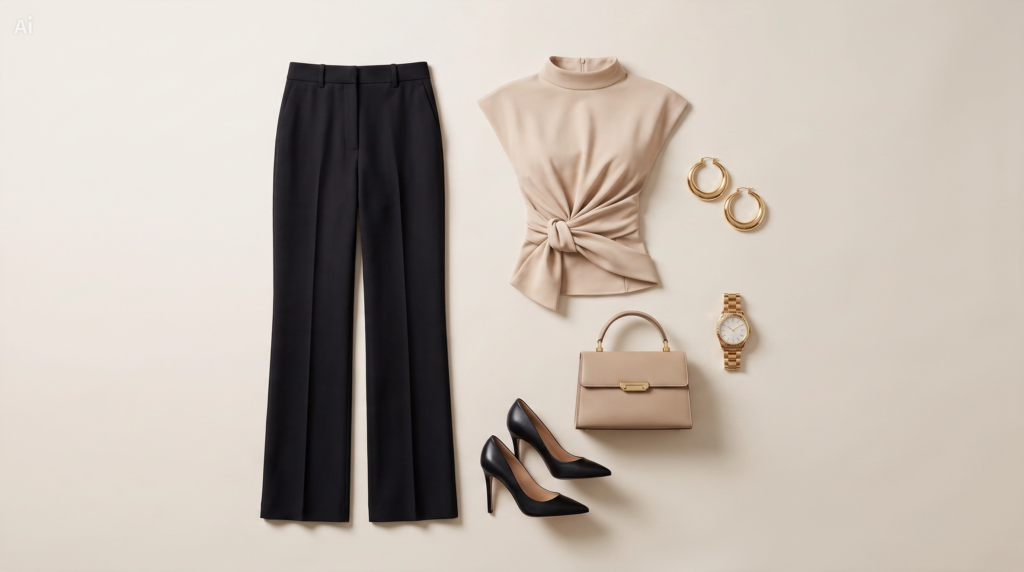
This Is Not Permission to Buy More
And this distinction matters.
If what we wear matters, the answer is not that we need more clothes.
Quite often, the opposite is true.
A wardrobe filled with trend-driven purchases, aspirational identities and things bought because they were on sale does not necessarily help us show up more confidently.
An intentional wardrobe asks different questions.
- Does this feel like me?
- Does it suit the life I actually live?
- Do I feel good when I wear it?
- Does it work with what I already own?
- Will I still want to wear it next year?
- Does it deserve a place in my wardrobe?
The goal is not more. The goal is alignment.
Getting Dressed as a Daily Ritual
There is something else I think we underestimate.
Getting dressed happens every day, and that makes it one of the most ordinary rituals of our lives.
We can approach it unconsciously; reaching for whatever is closest, buying whatever is fashionable, worrying about whether we look acceptable to everyone else.
Or we can approach it with intention.
Not perfection. Intention.
- This is who I am.
- This is how I want to feel today.
- This is how I choose to show up.
When viewed this way, clothing becomes less about fashion and more about self-knowledge, and perhaps that explains why what we wear matters.
- Not because a blazer can make us competent.
- Not because an expensive handbag can make us successful.
- Not because the right dress can somehow transform our worth.
But because the choices we make about our appearance can reinforce something much deeper.
They can remind us who we are, and sometimes, who we are becoming.
Reflection
Take a moment to think about the clothes you feel best wearing.
Not necessarily the most expensive pieces or the ones that receive the most compliments.
The clothes in which you feel most yourself.
- How do you stand when you wear them?
- How do you behave?
- How do you feel?
And then consider the opposite.
Are there clothes in your wardrobe that belong to a version of you that no longer exists?
What would change if, instead of asking “What should I wear”?, you began asking, “How do I want to show up today?”
Because what we wear matters. But, the person wearing the clothes matters infinitely more.
Clothing is never simply about what other people see. It can change the way we see ourselves.
Self Image Style